
As residents of Rosemount, Minnesota, and communities nationwide grapple with economic challenges, recent developments have heightened concerns about financial stability and the effectiveness of current policies.
Inflation and Energy Costs
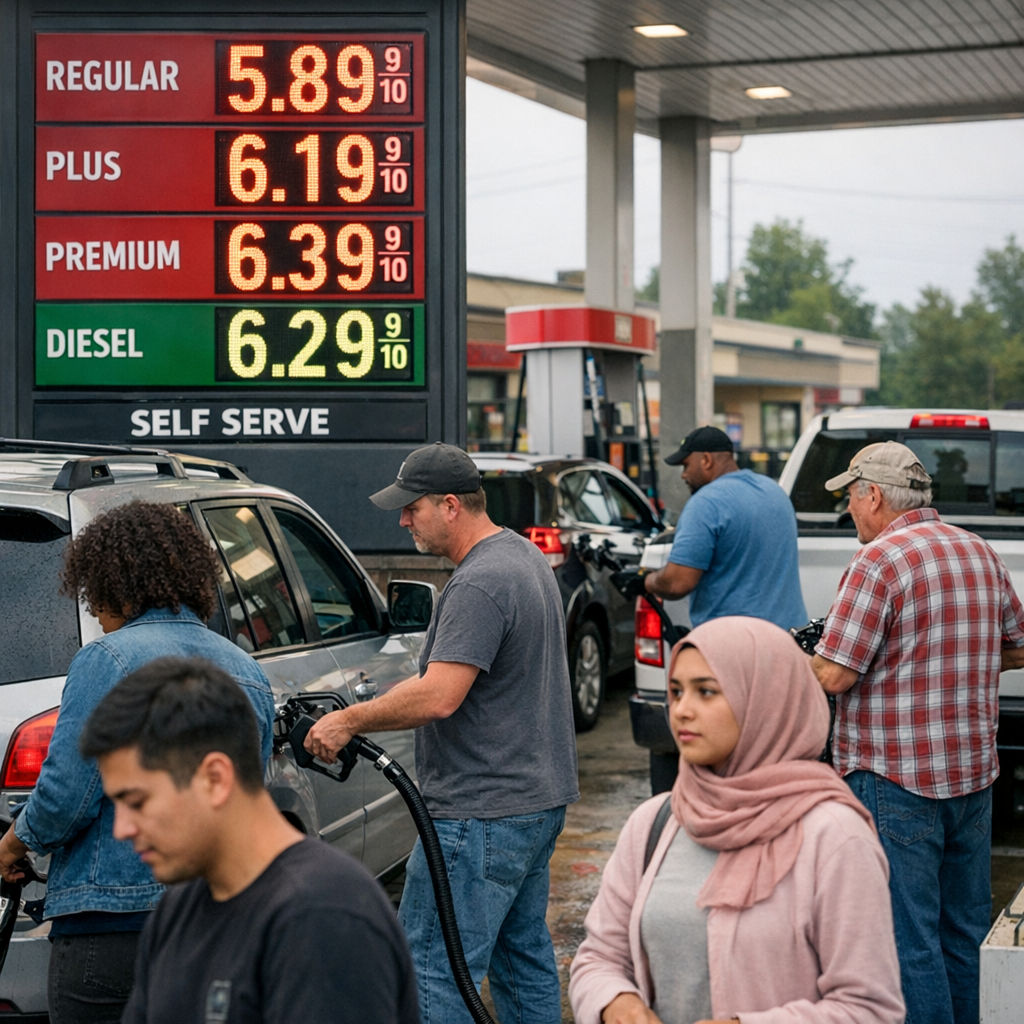
Inflation has reached a nearly three-year high, with gas prices spiking 21% in one month. This surge is largely attributed to the ongoing conflict in the Middle East, which has disrupted global oil supplies. The average price of regular gasoline has exceeded $4.50 per gallon nationally, with some states experiencing prices above $5. This escalation in energy costs has placed a significant burden on household budgets, particularly for lower-income Americans who are using less gas but are being hit the hardest by the price spike.
Public Sentiment and Political Implications
A recent CBS News/YouGov poll reveals deep public dissatisfaction with President Donald Trump’s economic policies. The survey indicates that 70% of Americans feel “angry” or “frustrated” about the administration’s handling of the economy. This sentiment is particularly pronounced among older Americans, who are more concerned about the political system, while younger Americans focus more on economic challenges like the affordability of housing and basic needs.
Local Impact and Community Response
In Rosemount, residents are feeling the pinch of these national economic trends. Local businesses report decreased consumer spending, and families are adjusting their budgets to accommodate higher living costs. Community leaders are advocating for policies that address these economic pressures, emphasizing the need for support systems to assist those most affected.
As we navigate these uncertain times, staying informed and engaged with both national developments and local initiatives is crucial. By understanding the broader economic landscape and its local implications, we can work together to find solutions that support the well-being of our community.